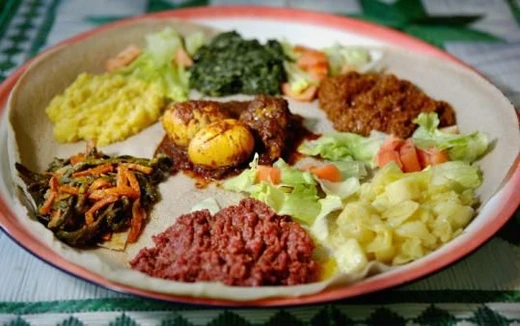
Beyaynetu
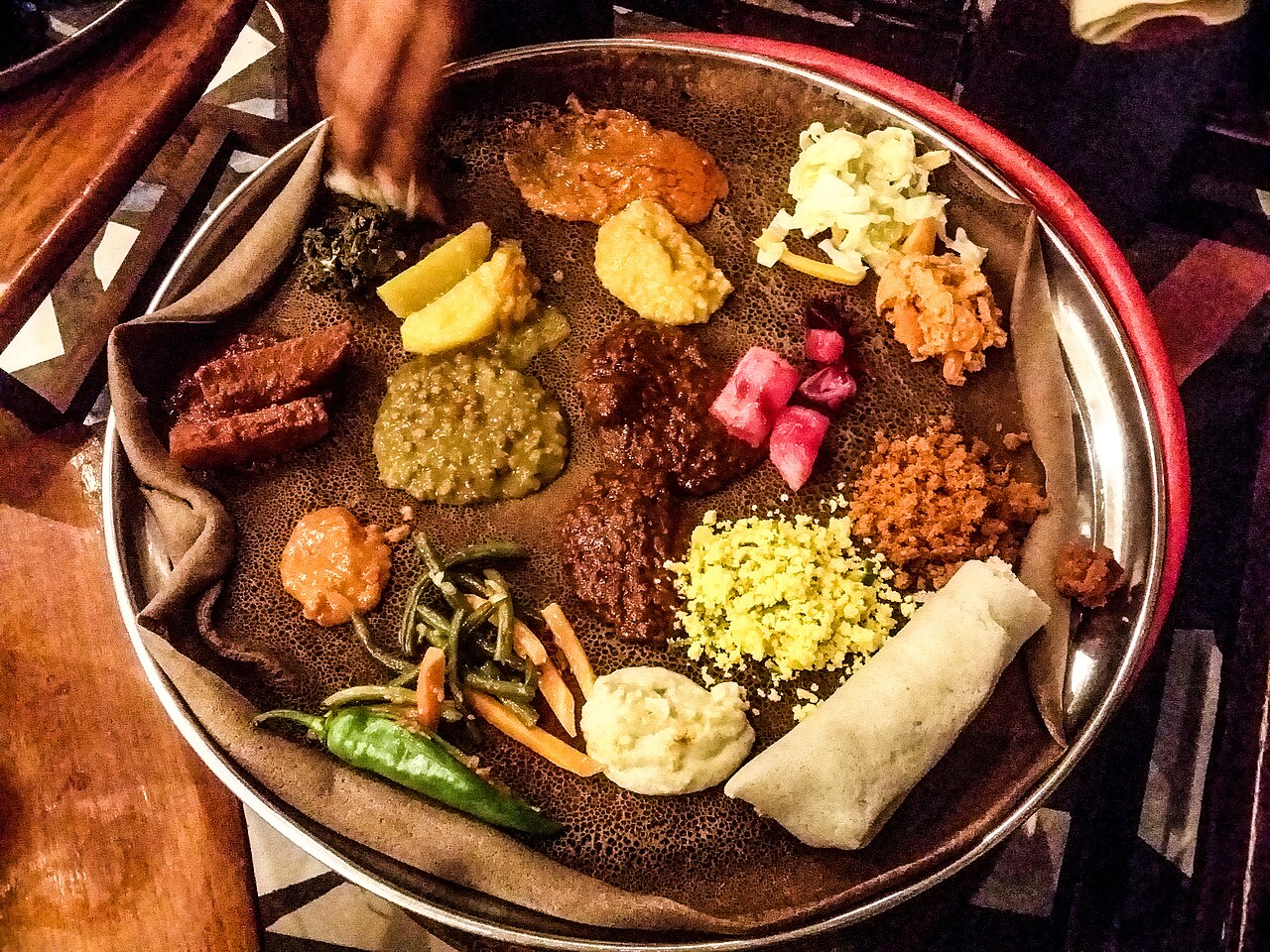
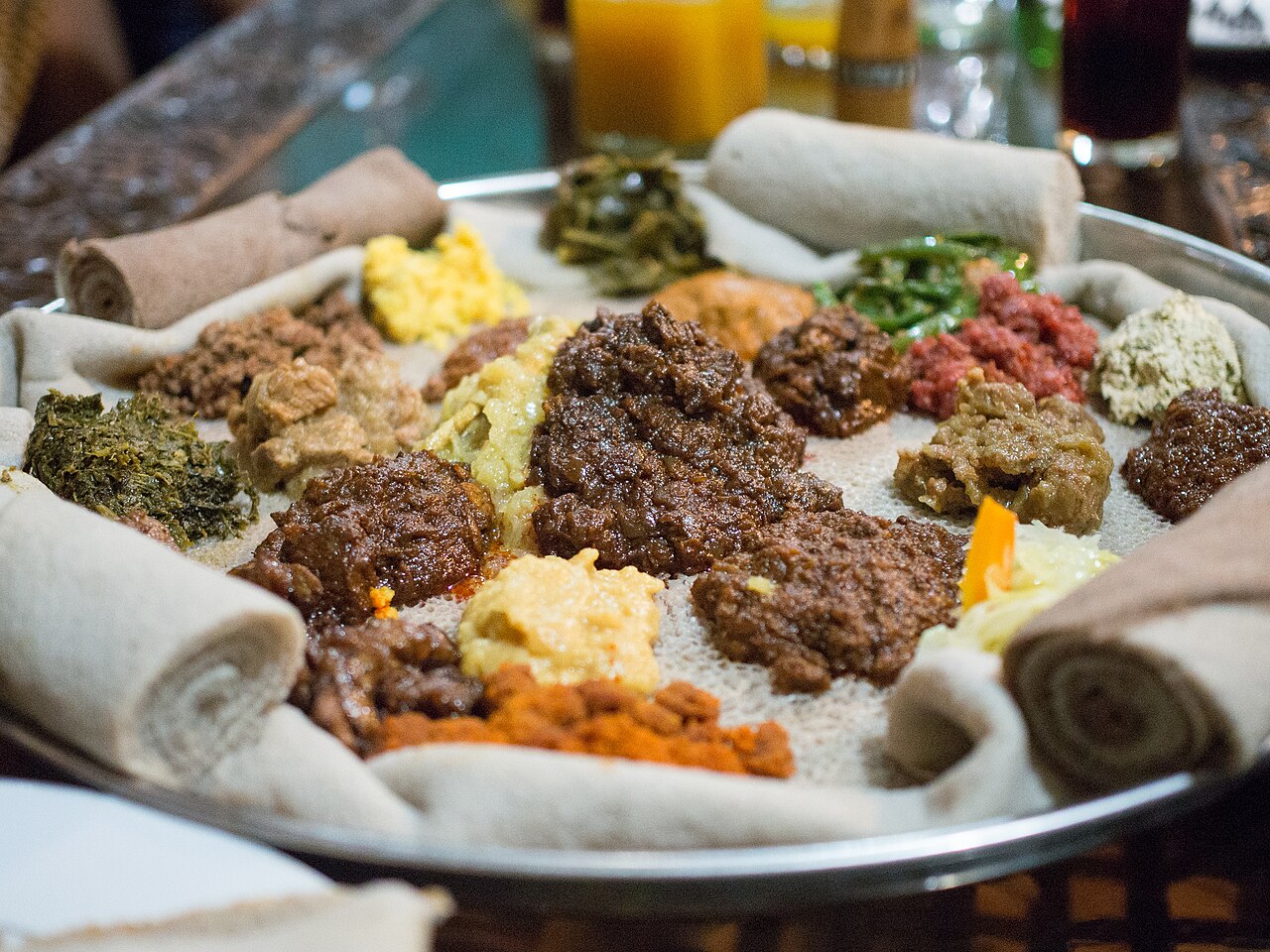
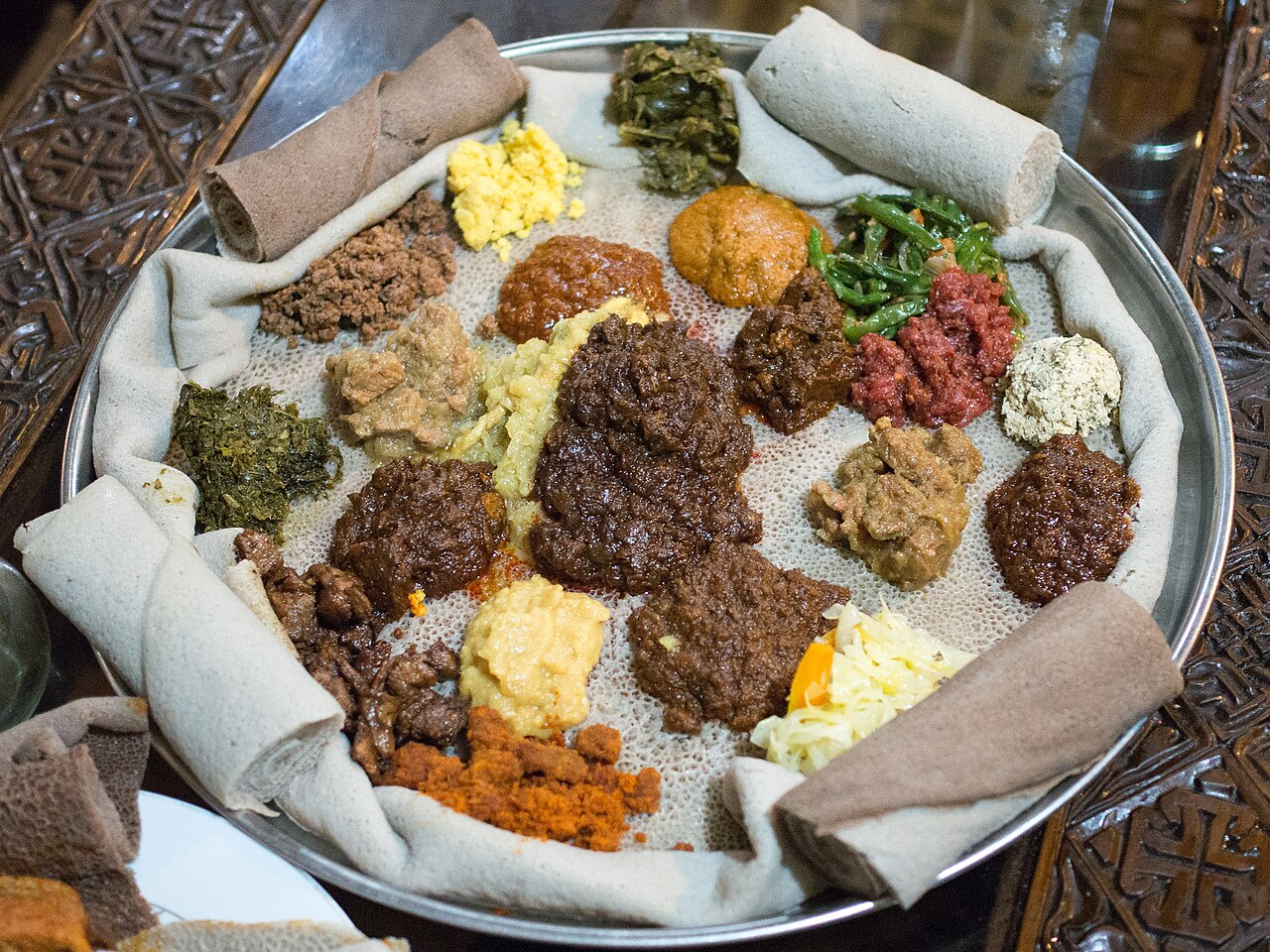
Ethiopian/Eritrean dish of injera with assorted ingredients.

Wikipedia / Wikimedia Commons
Beyaynetu (Amharic: በያይነቱ, bäyaynätu) is a dish from Ethiopia and Eritrea, typically served as a filling meal. It features injera, a sourdough flatbread, paired with an assortment of meats and vegetables. Considered one of Ethiopia’s national dishes, it showcases the range of flavors found in the country’s cooking. The Amharic word bäyaynätu means “various” or “assorted,” referring to the many components that make up the dish.
There are two main styles. The vegetarian version is called ʾätkəlt bäyaynätu (አትክልት በያይነቱ) or yetsom bäyaynätu (የጾም በያይነቱ). Here, ʾätkəlt means “plants” or “vegetables,” while yetsom relates to “fasting”—the period when members of the Ethiopian Orthodox Tewahedo Church avoid meat and dairy. The prefix yä acts as a genitive marker, so yetsom bäyaynätu translates to “fasting beyaynetu.” When meat is included, the dish is called bäyaynätu bäsga (በያይነቱ በስጋ) or yäfsək bäyaynätu (የፍስክ በያይነቱ). In these names, bä means “with” and səga means “meat”; yäfsək refers to the non-fasting period, fsək, in the same church tradition.
- Type
- Dish
- Origin
- Ethiopia/Eritrea
- Main ingredient
- Injera with assorted meat and/or vegetables
- Known for
- National dish of Ethiopia
- Amharic meaning
- Various or assorted
Lore & Background
The term bäyaynätu in Amharic translates to 'various' or 'assorted', indicating the wide range of ingredients that make up this dish. Vegetarian varieties include ʾätkəlt bäyaynätu or yetsom bäyaynätu, where yetsom signifies 'fasting', referring to periods when members of the Ethiopian Orthodox Tewahedo Church abstain from meat and dairy. Non-vegetarian versions are called bäyaynätu bäsga or yäfsək bäyaynätu, with bä meaning 'with' and səga meaning 'meat'; yäfsək is associated with the non-fasting period fsək in the Ethiopian Orthodox Tewahedo Church.
Reader's Guide
Beyaynetu is significant as one of the national dishes of Ethiopia, embodying the diverse flavors of the country's cuisine. Its name, meaning 'various' or 'assorted', reflects the wide range of ingredients—both meat and vegetables—served atop injera. The dish also has cultural and religious dimensions: vegetarian versions are tied to fasting periods in the Ethiopian Orthodox Tewahedo Church, while non-vegetarian versions are associated with non-fasting times. This duality highlights how food practices are intertwined with religious observance. Beyaynetu is often enjoyed as a hearty meal and is comparable to other shared-plate traditions such as meze, tapas, and thali, as noted in the article's 'See also' section. Its legacy lies in its role as a communal, versatile dish that represents Ethiopian culinary identity.
Did You Know?
- The Amharic term bäyaynätu translates to 'various' or 'assorted'.
- Vegetarian beyaynetu is called ʾätkəlt bäyaynätu or yetsom bäyaynätu, with yetsom meaning 'fasting'.
- Non-vegetarian beyaynetu is known as bäyaynätu bäsga or yäfsək bäyaynätu, associated with the non-fasting period fsək.
- Beyaynetu is one of the national dishes of Ethiopia.
A National Plate of Generous Diversity
Beyaynetu stands as one of Ethiopia's national dishes, a hearty and satisfying meal that brings together the country's diverse culinary traditions on a single plate. At its heart lies injera, the sourdough flatbread that serves as both the vessel and a component of the meal. Arranged atop or alongside this bread is a generous assortment of ingredients—meats and vegetables prepared in various styles—that together create a rich tapestry of flavours. The dish is shared across both Ethiopian and Eritrean tables, functioning as a substantial, filling meal rather than a light snack. Its very composition speaks to the breadth of Ethiopian cuisine, where multiple proteins, vegetables, and seasonings coexist in one serving, offering diners a cross-section of the country's culinary landscape in a single sitting. The name itself, drawn from Amharic, translates to "various" or "assorted," a linguistic nod to the dish's defining characteristic: its deliberate, generous diversity of components.
A Name That Is a Description
The Amharic name bäyaynätu carries a meaning that is essentially a description of the dish itself. Translated into English, the term conveys "various" or "assorted," a direct reference to the wide range of ingredients that make up the plate. This is not a name chosen for aesthetic or historical reasons; it is a functional label that tells the diner exactly what to expect—a collection rather than a single preparation. The language further distinguishes sub-varieties through its grammatical tools. The prefix yä, for instance, functions as a genitive marker, linking a concept to the main dish. In yätsom bäyaynätu, it connects "fasting" to the base dish, while in yäfsək bäyaynätu, it ties the non-fasting period to the same. Similarly, bä means "with," as in bäyaynätu bäsga, literally "beyaynetu with meat." These small grammatical particles do the work of specifying exactly which version of the assortment is on the table, encoding dietary and religious context directly into the name.
Fasting, Feasting, and the Church Calendar
The naming conventions of beyaynetu are deeply intertwined with the liturgical calendar of the Ethiopian Orthodox Tewahedo Church, which prescribes extended periods of fasting during which adherents abstain from meat and dairy products. During these weeks, the vegetable-only version of the dish takes on specific names that mark its religious context. It is called ʾätkəlt bäyaynätu, where ʾätkəlt means "plants" or "vegetables," or yetsom bäyaynätu, where yetsom signifies "fasting." The latter construction uses the genitive prefix yä combined with tsom to produce the sense of "of fasting," directly embedding the religious observance into the dish's identity. When the fasting period ends and the non-fasting season of fsäk arrives, the meat-inclusive version reclaims its prominence. It is then referred to as bäyaynätu bäsga, meaning "beyaynetu with meat," or yäfsək bäyaynätu, linking the dish to the non-fasting period. Thus, the very name a diner hears at the table signals not just ingredients but a place in the religious year.
A Global Tradition of the Assorted Table
Beyaynetu belongs to a widespread family of dining traditions found across the world's cultures, in which a single table setting presents an assortment of varied preparations rather than one unified main course. Its closest relatives in this global family include Korea's banchan, the Filipino kamayan, the Mediterranean meze, the Dutch rijsttafel, the Scandinavian smorgasbord, the Spanish tapas, and the Indian thali. Each of these traditions shares the core principle that beyaynetu embodies: the celebration of diversity on a single plate, where multiple distinct preparations—meats, vegetables, breads, and seasonings—coexist and complement one another. The Ethiopian dish, with its injera base and its array of meat and vegetable components, mirrors the same impulse seen in a spread of tapas or a thali's many small bowls. What unites these traditions is the idea that a meal's richness comes not from a single dominant flavour but from the interplay of many, each contributing its own character to the whole.
Gallery
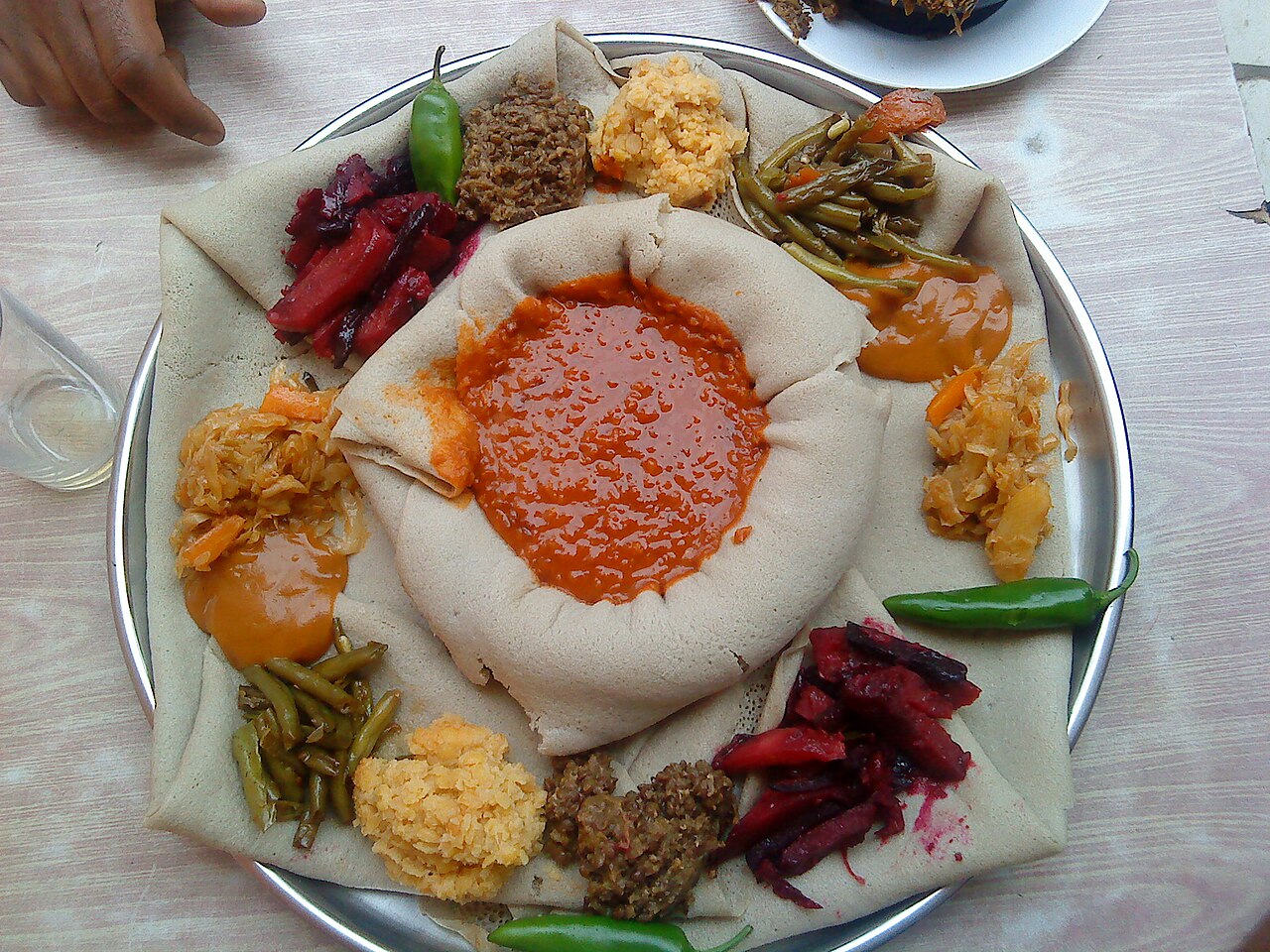
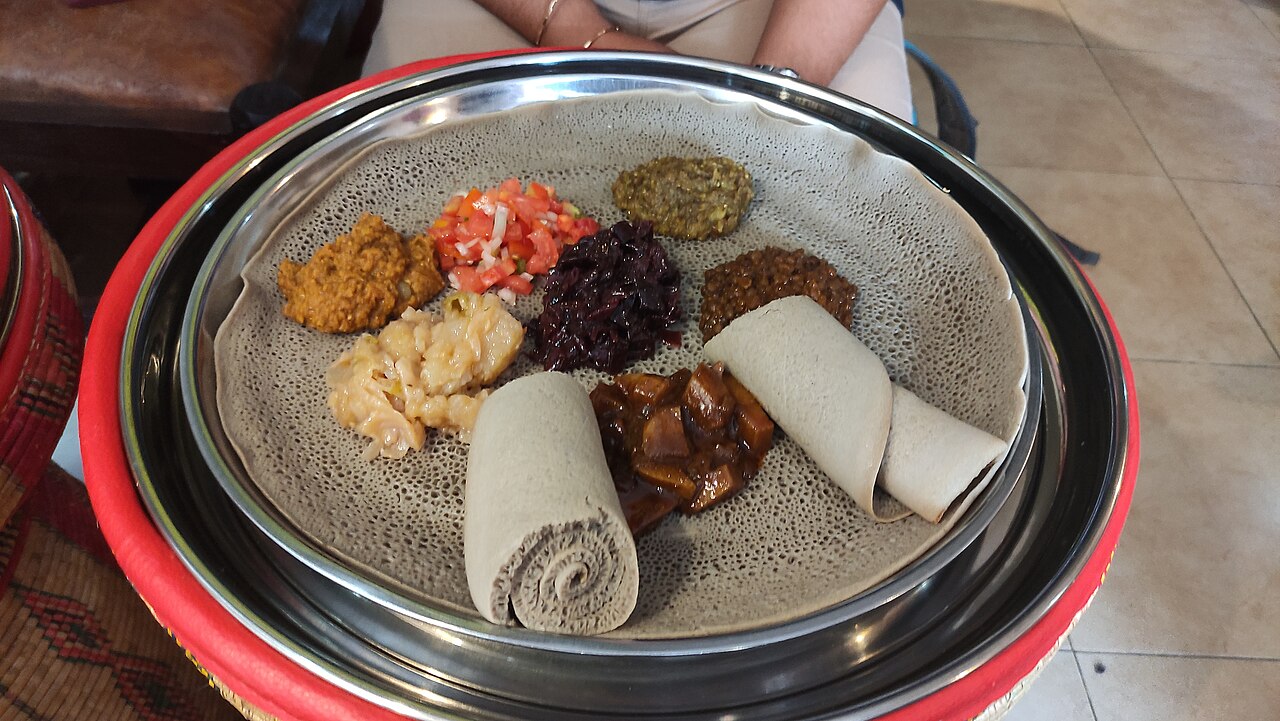
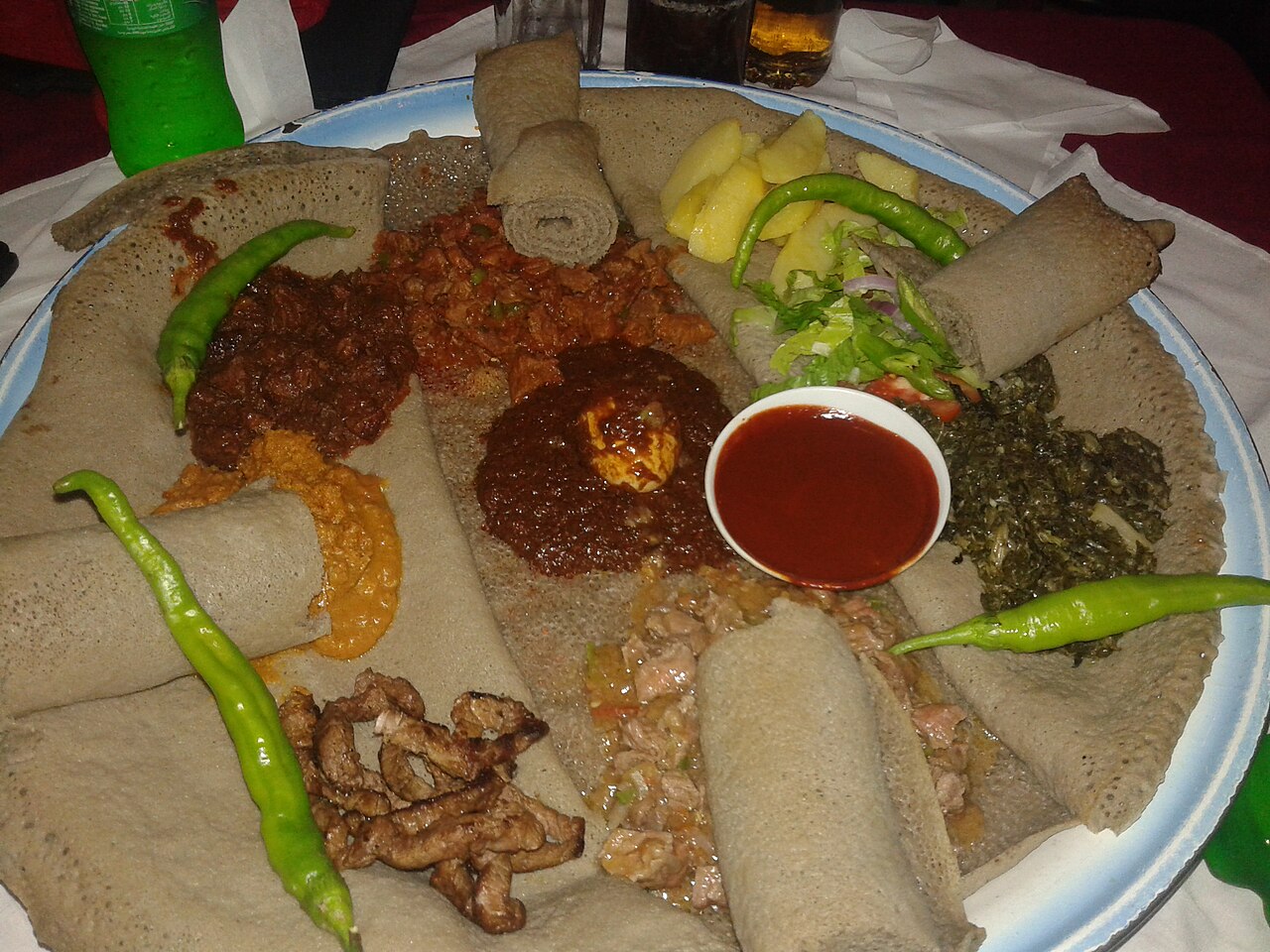
Frequently Asked Questions
What is Beyaynetu?
Beyaynetu is a hearty, filling meal from Ethiopia and Eritrea built around injera, a sourdough flatbread, topped with a spread of assorted meats and vegetables. It is widely regarded as one of Ethiopia's national dishes.
What does the name 'Beyaynetu' actually mean?
The Amharic word bäyaynätu translates to 'various' or 'assorted,' a direct reference to the many different components layered across the platter.
What are the two main styles of Beyaynetu?
The meat-and-vegetable version is the standard offering, while the fully plant-based variant is called ʾätkəlt bäyaynätu or yetsom bäyaynätu, where ʾätkəlt means 'plants' or 'vegetables.'
What is the base ingredient of Beyaynetu?
Injera, a sourdough flatbread, serves as the edible plate and structural foundation for every component of the dish.
Why is Beyaynetu considered important in Eritrean and Ethiopian cuisine?
It is celebrated as a national dish precisely because a single platter showcases the full breadth of flavors, textures, and cooking traditions found across the region's kitchens.
More in Eritrean cuisine 1-24
Spotted an error? Know more?
This is a living reference — every entry is fact-audited, and reader corrections feed straight into our audit queue. Suggest an edit · See this site's audit record