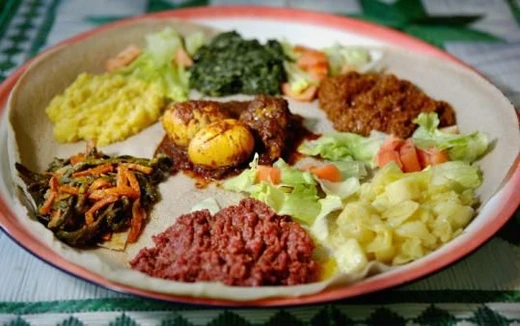
Siwa (beer)
Traditional Tigrayan beer brewed from toasted bread and gesho.
Siwa (also called Suwa, or in Amharic, Talla) is a traditional beer from Eritrea and Ethiopia, most closely tied to the Tigray region. It is usually brewed at home and remains a popular drink at social gatherings, after physical labour, and as a reward for farmers and workers. Across both towns and countryside in Tigray, there are thousands of beer houses known as Enda Siwa.
In nearly every rural household in Tigray, women know how to make siwa. The basic recipe includes water; a home-baked, toasted flatbread (made from barley in the highlands, or from sorghum, finger millet, or maize in the lowlands); yeast; and dried leaves of the gesho plant, which acts as a catalyst. The mixture ferments for a few days and is then served, sometimes with pieces of bread floating on top—drinkers gently blow them aside. Its alcohol content ranges from 2% to 5%. The beer has a smoky flavour from the toasted bread, along with sourness, bitterness, and sweetness (pH between 4 and 5). The coarser leftovers, called atella, are used as cattle feed.
Variants include meknen (also called filter, lifter, or tselim siwa), a stronger version reaching 6% alcohol or more; gu'esh, a softer, often secondary brew; and korofieh, a light, dough-like version taken as breakfast in highland areas above 3,000 metres. In Amharic, siwa is called talla, and in Oromiffaa and Raya Tigrinya, farso. A similar honey-based brew, myes (or tej in Amharic), is Ethiopia’s version of mead, served in mead houses (inda myes or tej bet) and typically in long-necked glass bottles.
Siwa is traditionally served in clay beakers (shekhla or wancha), hollowed gourds, or less often, cattle horns. Nowadays, plastic or metal containers are common. Meknen is usually served in one-litre glass bottles. The beer is stored in large clay vases called etriro, though plastic drums are increasingly used; in the hotter lowlands, the etriro remains preferred because it keeps the brew fresh.
In daily life, farmers bring siwa when ploughing or threshing, and construction owners serve it to labourers at building sites. It is also served at baptisms, marriages, graduations, and other social events. Cups are filled to the brim, and the host ensures they are refilled before guests finish.
Almost every settlement in Tigray has one or more Inda Siwa, which function as local bars and provide off-farm income. Customers sit on low seats a
- origin
- Eritrea and Ethiopia
- alcohol_content
- 2% to 5% (meknen variant up to 6% and beyond)
- key_ingredients
- water, toasted flatbread (barley, sorghum, finger millet, or maize), yeast, gesho leaves
- serving_vessels
- clay beakers, hollowed gourds, cattle horns, plastic or metal beakers
- storage_vessel
- large clay vases called etriro
- byproduct
- atella used as cattle feed
Lore & Background
Siwa is brewed in almost every rural household of Tigray, where women traditionally prepare it. The basic ingredients include water, a home-baked and toasted flatbread made from barley in the highlands or from sorghum, finger millet, or maize in the lowlands, along with yeast and dried leaves of gesho (Rhamnus prinoides) as a catalyst. The brew ferments for a few days and is served sometimes with pieces of bread floating on it, which the customer gently blows aside. Its smoky flavor comes from the toasted bread, and it has a typical sourness, bitterness, and sweetness, with a pH between 4 and 5.
Reader's Guide
Siwa holds significant cultural and economic importance in Tigray. It is served at every social event—baptisms, marriages, graduations—and is a staple for farmers during ploughing and threshing. The traditional beer houses, Inda Siwa, serve as local bars and generate off-farm income, often housed in traditional stone buildings with heavy roofs and central wooden columns. Despite competition from industrial lagers like Balageru and Azmera, siwa remains popular, as evidenced by a 2014 music video clip documenting its production and social function. Variants include the stronger meknen, the softer gu'esh, and the highland breakfast version korofieh. The brew is conserved in large clay vases called etriro, which keep it fresh in hotter lowlands.
Did You Know?
- Siwa is also called talla in Amharic and farso in Oromiffaa and Raya Tigrinya.
- The coarser part of the brew, atella, is used as cattle feed.
- Meknen, a stronger version of siwa, may reach an alcoholic content of 6% and beyond.
- In the highlands above 3000 metres, a light version called korofieh is taken as breakfast.
The Art of Brewing
In nearly every rural household across Tigray, the preparation of siwa is a skill passed down through generations, typically mastered by the women of the family. The recipe draws on humble, locally sourced materials: water, a flatbread that has been baked and then toasted over fire (made from barley in the highland regions or from sorghum, finger millet, or maize in the lowlands), a small amount of Saccharomyces cerevisiae yeast, and dried leaves of the gesho plant (Rhamnus prinoides), which act as a natural catalyst for fermentation. Once combined, the mixture is left to ferment over the course of several days. The finished brew carries an alcohol content between two and five percent, with a distinctive smoky character inherited from the charred bread, balanced by a natural sourness, a touch of bitterness, and a mild sweetness that places its pH between four and five. At serving time, small fragments of the toasted bread often float on the surface, and the drinker gently blows them to one side of the vessel before sipping. The heavier, coarser residue known as atella is retained and repurposed as feed for livestock, ensuring virtually nothing goes to waste.
Siwa in Social and Working Life
Siwa functions far beyond a simple beverage; it is woven into the rhythm of daily labour and communal celebration alike. When farmers gather to plough their fields or, even more so, to thresh their harvest, the entire crew is provided with siwa as a reward for their physical effort. The same tradition extends to construction sites, where the person commissioning the work serves the brew to every labourer present. In the social sphere, siwa is an expected presence at baptisms, weddings, graduations, and virtually every other gathering. The etiquette is generous: cups are filled right to the brim, and the host takes personal responsibility for refilling each guest's vessel before it can run dry. The drink also serves as a reward and morale-boosting incentive for workers across agricultural and manual trades. Its cultural significance endures in contemporary media as well; a 2014 music video titled "Siwa Embeytey" was produced specifically to document both the traditional brewing process and the deep social role the beer plays in Eritrean and Ethiopian communities, underscoring that siwa remains a living cultural practice rather than a historical curiosity.
The Inda Siwa: Community and Architecture
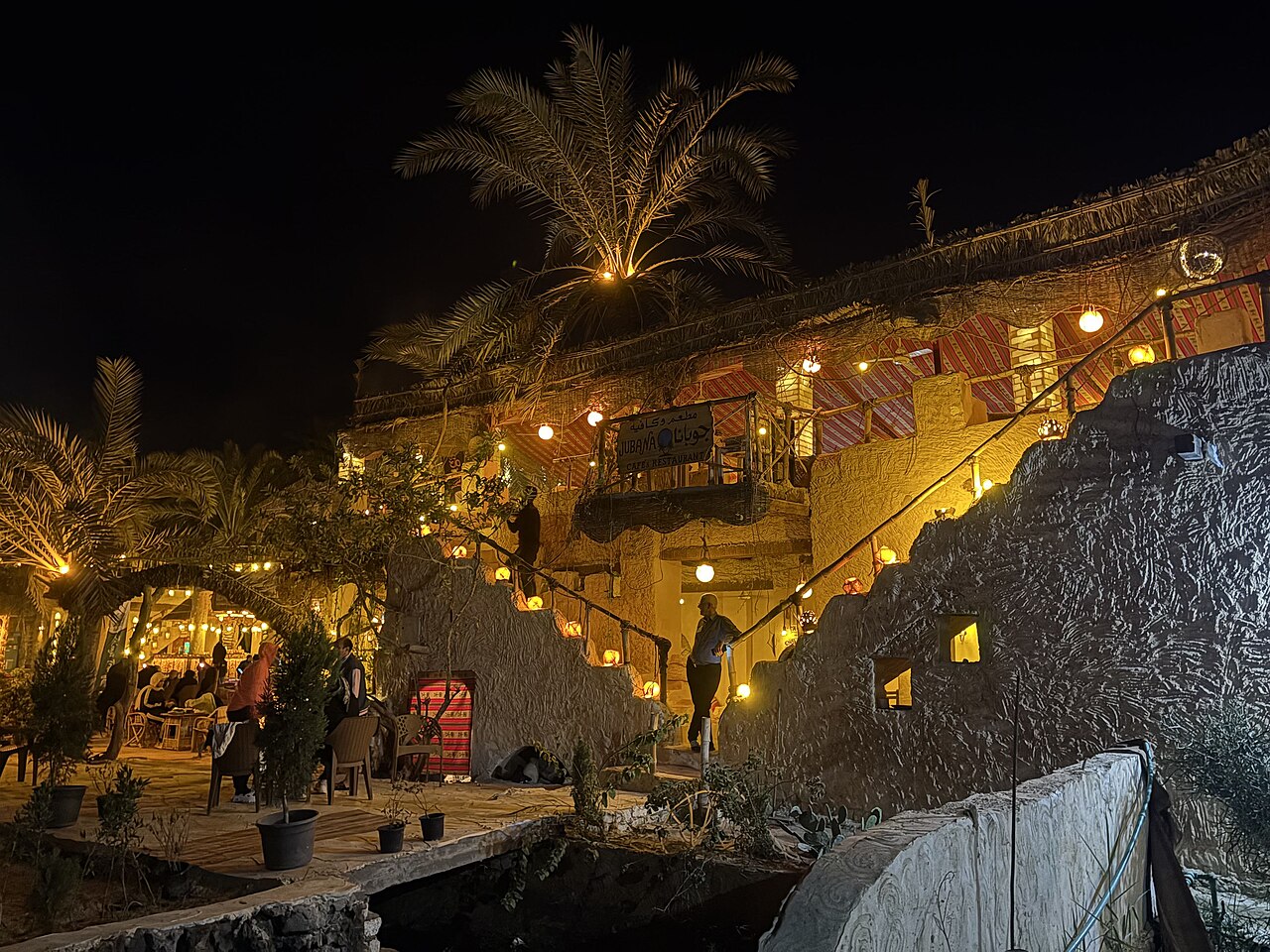
Thousands of traditional beer houses, known as Inda Siwa, dot the urban and rural landscapes of Tigray, functioning as informal bars that also generate off-farm income for their owners. The interior is simple and communal: low seating lines the walls, and patrons gather in groups to sip and chat. A defining feature is the warmth toward strangers; if a newcomer enters, the existing customers courteously welcome him and invite him to join their circle. The proprietor, most often a woman, tallies each person's rounds, and it is common for the drinkers themselves to help with the accounting. Adolescent boys and girls frequently drop in offering kollo, roasted grains, or buqulti, germinated beans seasoned with senafiche, a homemade mustard, and these snacks often prompt customers to order yet another round. Smaller establishments may open only on fixed days, but every Inda Siwa is open on the eve of market day. Many are housed in traditional stone buildings with a heavy roof of packed stones and earth called a hidmo, a central wooden column known as an amdi, and a wooden door, making a visit a chance to admire Tigrayan building traditions.
Variants, Related Brews, and Industrial Rivals
Siwa exists in several distinct forms depending on region and preference. The stronger variant, called meknen (also known locally as filter, lifter, or tselim siwa), can reach an alcohol content of six percent or higher and is typically served in one-litre glass bottles. At the opposite end, gu'esh is a softer, often secondary brew. In the highland zones of Tigray and Amhara, particularly above three thousand metres elevation, a light version called korofieh, with a consistency similar to injera dough, is consumed as a breakfast item. The drink goes by different names across languages: talla in Amharic, farso in Oromiffaa and Raya Tigrinya. A related but distinct brew is myes, known in Amharic as tej, which is a honey-based mead served in long-necked glass bottles at dedicated mead houses called inda myes or tej bet. Despite the growing presence of industrial lager brands such as Balageru, meaning "the rural people," and Azmera, meaning "good cropping season," which target wealthier farmers who increasingly prefer factory-produced beer, siwa retains a strong and enduring popularity across the region.
Gallery
Frequently Asked Questions
What is Siwa (Suwa) beer?
Siwa is a traditional, low-alcohol beer originating in Eritrea and Ethiopia, most closely associated with the Tigray region. It is typically brewed in home kitchens using toasted flatbread and gesho leaves rather than malted hops.
What are the main ingredients in Siwa?
The base recipe calls for water, a home-baked toasted flatbread (from barley in highland areas or sorghum, finger millet, or maize elsewhere), yeast, and gesho leaves. The leftover mash, called atella, is usually repurposed as cattle feed.
How much alcohol does Siwa contain?
Most Siwa lands in the 2% to 5% ABV range, making it noticeably lighter than a standard lager. A stronger variant known as meknen can push past 6%.
Where do people drink Siwa in Tigray?
Thousands of small beer houses called Enda Siwa operate across Tigray's towns and countryside. Drinks are traditionally poured into clay beakers, hollowed gourds, or cattle horns, and stored in large clay vases called etriro.
Why is Siwa culturally significant?
Siwa serves as a social staple at gatherings, a reward for farmers and laborers after hard work, and a brewing skill passed through generations of women in rural Tigrayan households. It remains a daily part of life rather than just a special-occasion drink.
More in Eritrean cuisine 1-24
Spotted an error? Know more?
This is a living reference — every entry is fact-audited, and reader corrections feed straight into our audit queue. Suggest an edit · See this site's audit record